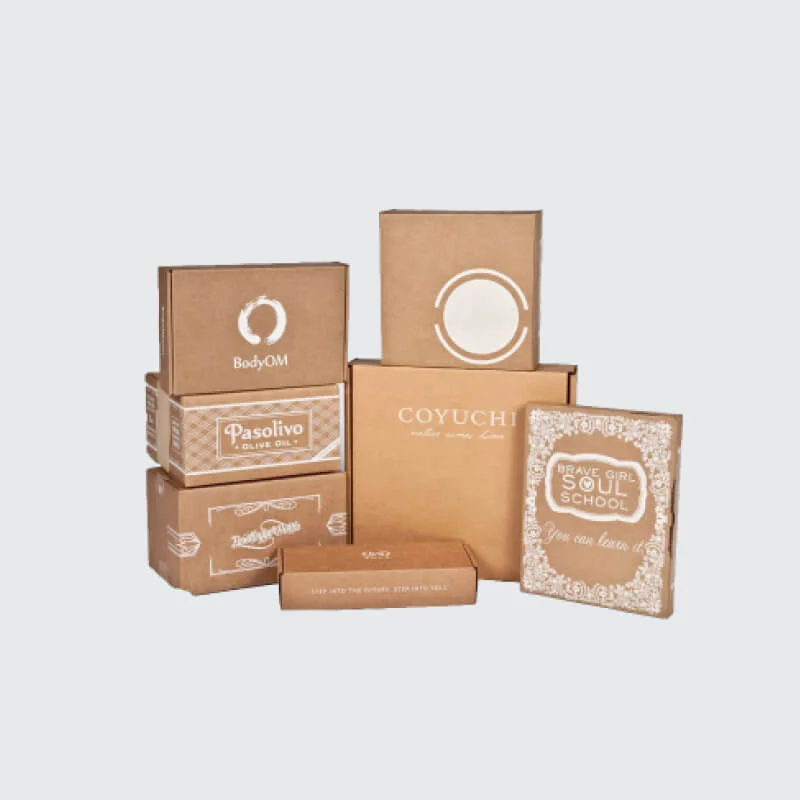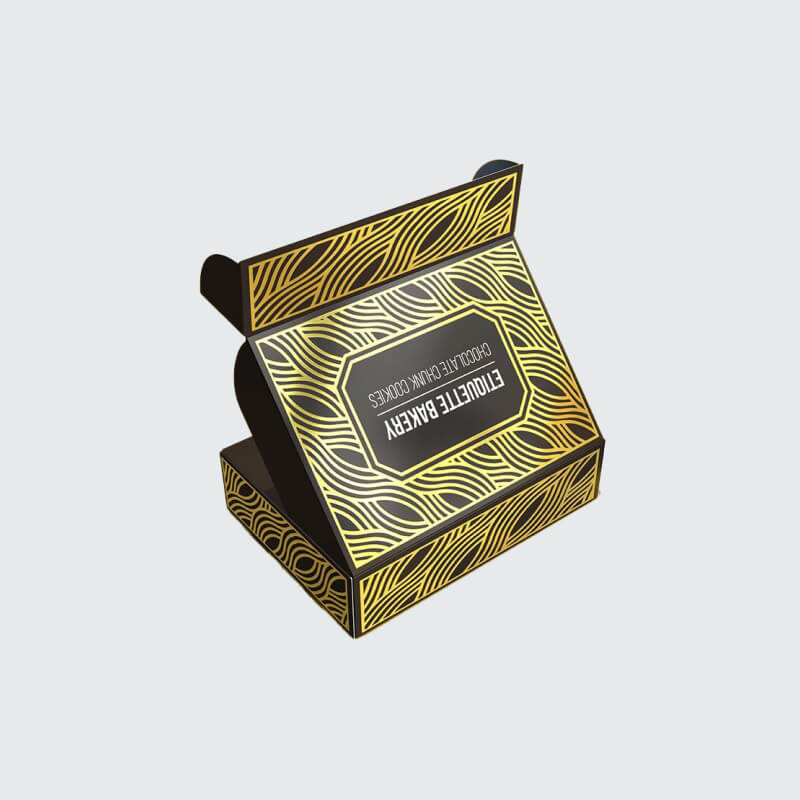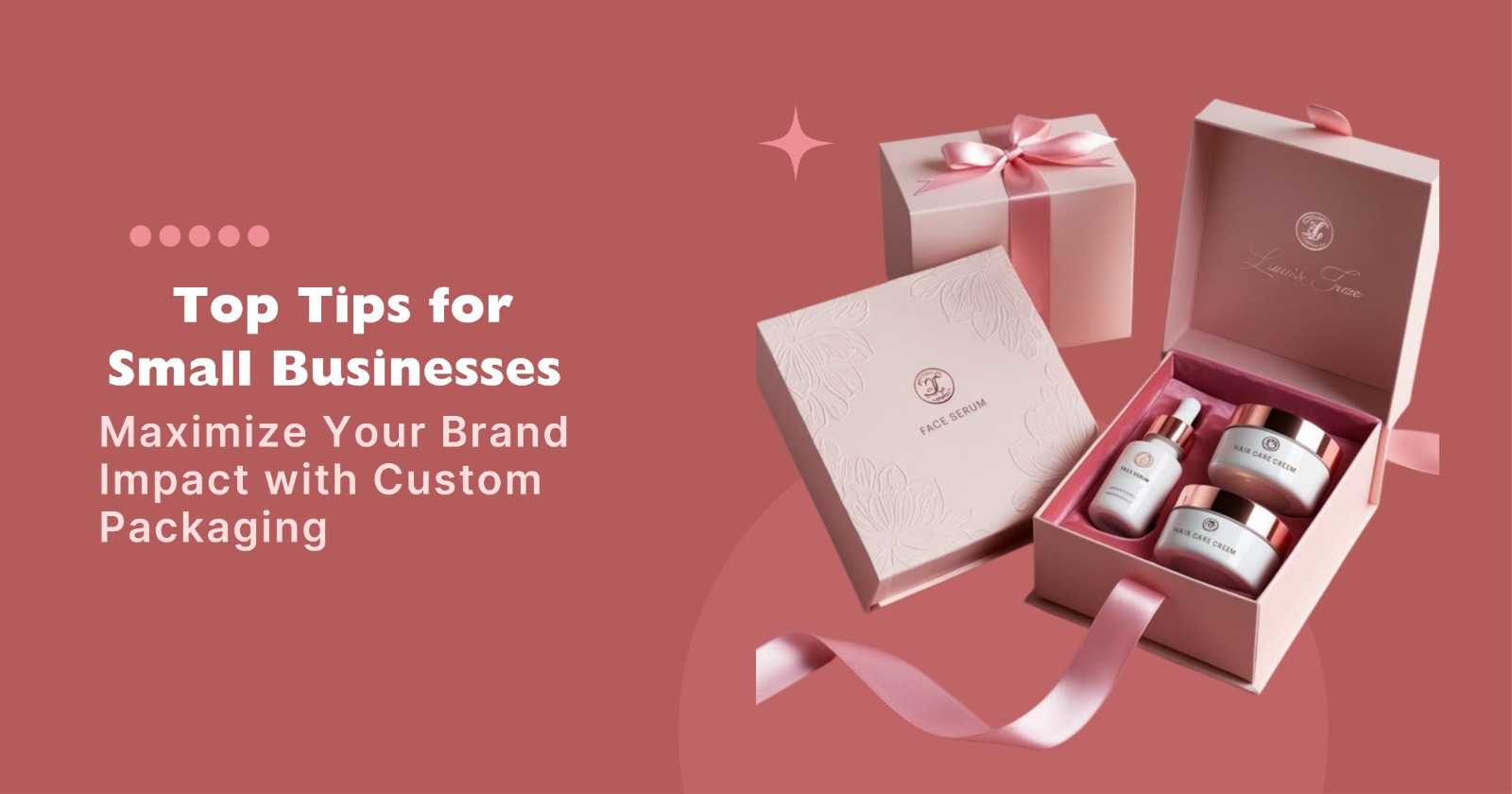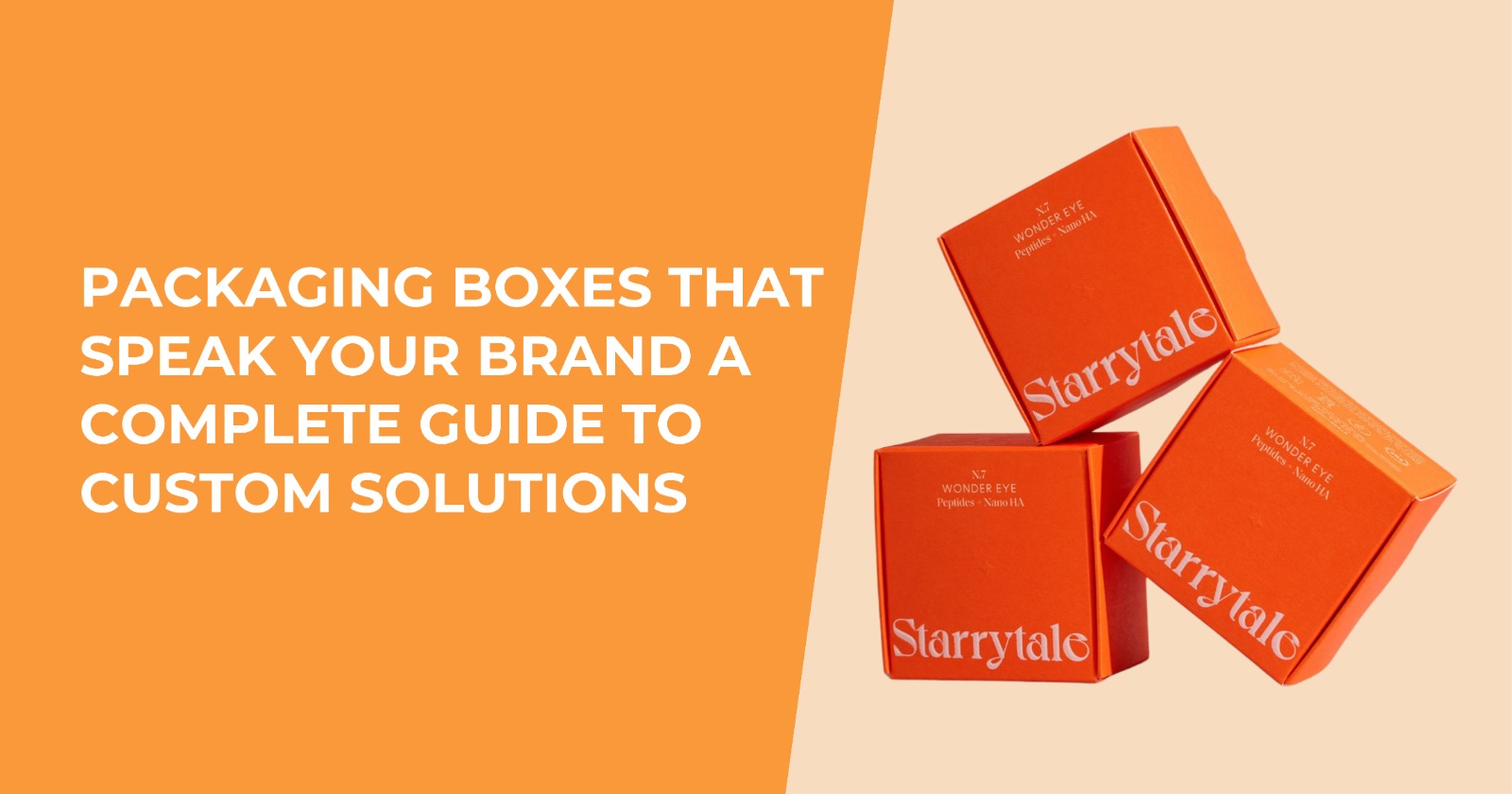


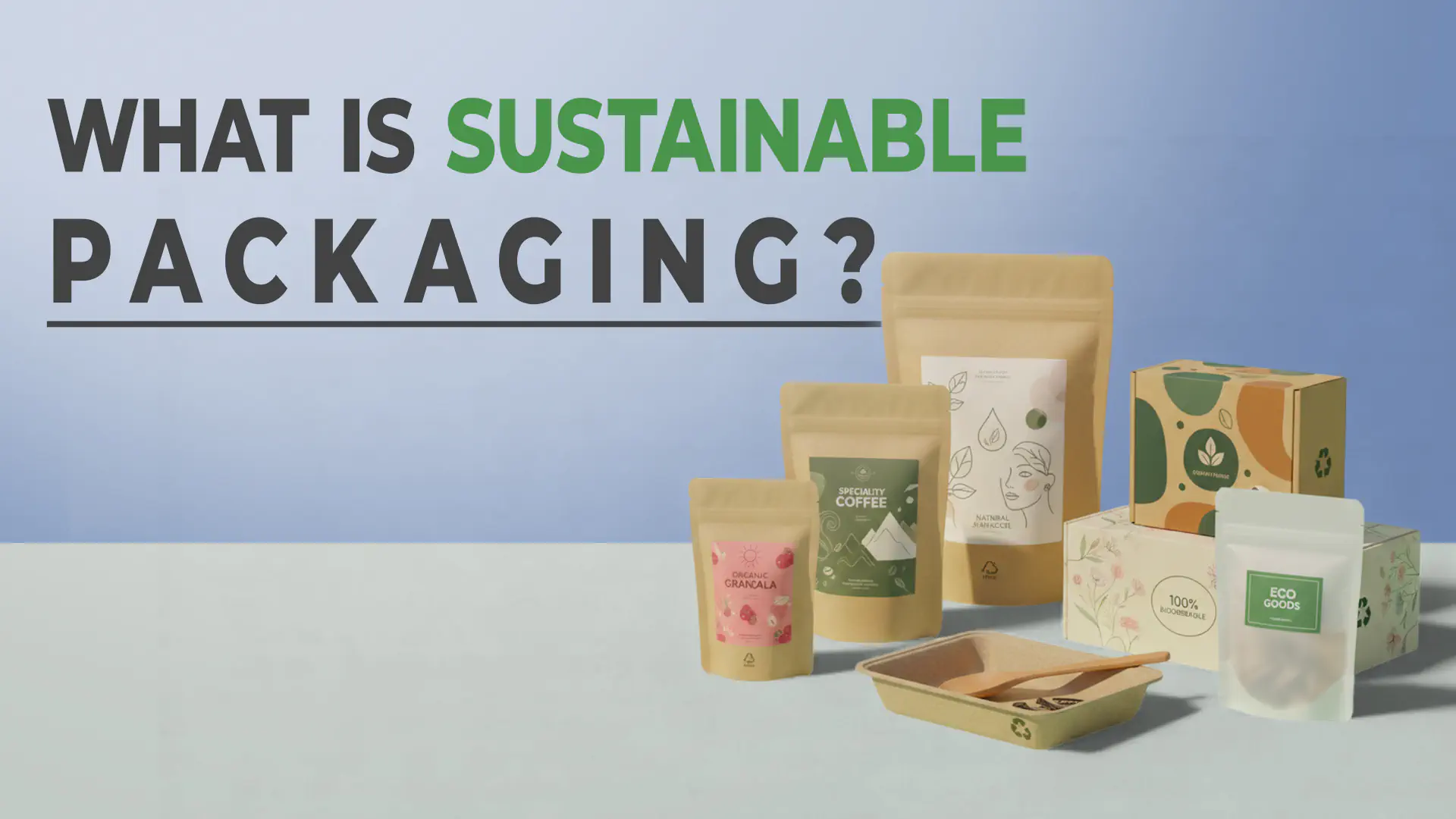
Sustainable packaging is any packaging designed to have minimal environmental impact. It is made up of materials that are safe for the earth and human contact. Understandably, packaging is used everywhere. Many eCommerce businesses use sustainable boxes that are FSC-certified and FDA-approved. Plus, they also choose the boxes that follow the SDGs of packaging for the least environmental impact. It is better than traditional packaging, as it is used more.
But with this convenience comes a problem. Most traditional packaging takes hundreds of years to break down, harming wildlife and polluting the planet. That’s why sustainable packaging has become one of the biggest trends in the packaging industry. In this blog, we’ll explore what sustainable packaging actually is.
If you want to understand packaging at a broader level, you can also read our complete guide on what packaging is.
What Does Sustainable Packaging Mean for the Packaging Industry?
Sustainable packaging means designing and producing packaging that’s safe for both the product and the environment. The packaging companies basically focus on using eco-friendly materials that can be recycled, reused, or composted.
If you see it through the broader eye, then sustainable packaging aims to reduce waste, save natural resources, and minimize pollution.
Sustainable and Eco-Friendly Packaging to Know The Difference
Many people get confused between the terms. As they said, the terms are the same. They carry the same meaning but with a twist. So here is a clear difference. You can take it as:
- Eco-friendly packaging refers to any packaging that doesn’t harm the environment.
- Sustainable packaging focuses on long-term environmental benefits by using renewable materials.
They are both at the end of the types of packaging that benefit the environment and are also safe for human health.
Sustainable Packaging Is Important and Comes with an Array of Benefits
The importance of sustainable packaging goes beyond just environmental benefits. These affect how consumers view brands and how companies operate. The main reasons are:
1. Reduces Waste and Pollution
Sustainable packaging reduces this waste. Because it is made using materials that can decompose and be recycled. In this way, it can keep the environment cleaner and safer.
2. Improves Brand Reputation for Sales
Gen Z is more attracted to brands that use sustainable packaging. Many prefer buying from companies that use sustainable packaging and take responsibility for their environmental impact. So, as a result, it helps brands build trust, loyalty, and a positive image. And ultimately, the sales will increase.
3. Meets Environmental Regulations, Such as FSC and FDA
Governments worldwide are enforcing stricter rules on packaging waste and plastic usage. So, many manufacturers use materials from FSC-certified forests that are also safe for human contact and easy to handle as well. Using sustainable materials helps businesses comply with these laws and avoid fines or negative publicity.
Understand the Traditional and Sustainable Packaging in Depth
Nowadays, more people want to know the real difference in sustainable packaging. Here is the difference between buying and investing in any packaging type. Such as:
| Traditional Packaging | Sustainable Packaging |
| It is made from plastic or non-recyclable materials | It is made from renewable, recyclable, or compostable materials |
| It is cheap but harmful to the environment | It may cost more initially, but it is better for the planet |
| It takes hundreds of years to decompose | It breaks down naturally and safely |
| It increases landfill and ocean pollution | It reduces waste and carbon footprint |
Traditional packaging was once convenient, but its long-term impact is devastating. That’s why more businesses are switching to sustainable alternatives that align with environmental and consumer values.
Types of Sustainable Packaging Available in the Market
Sustainable packaging comes in different forms based on its use and disposal method. Here are the main types:
1. Compostable Packaging that Breaks Down
Compostable packaging breaks down completely into natural materials like water, carbon dioxide, and organic matter. It’s perfect, such as:
- Coffee cups
- Food packaging
- Takeaway containers
- More
2. Biodegradable Packaging with Microorganisms
This type naturally decomposes through microorganisms. It’s ideal for short-term packaging where long-term durability isn’t necessary, such as:
- Disposable plates
- Cutlery
- More
3. Recyclable Packaging
Recyclable packaging can be collected and reprocessed into new products. The most common materials include:
- Paper
- Cardboard
- Glass
- Certain plastics like PET
- More
4. Reusable Packaging
Reusable packaging is built to last and can be used multiple times. So the broad examples include:
- Glass jars
- Cloth bags
- Refillable containers
- More
It’s a great way to reduce single-use packaging waste.
Most Sustainable Packaging Materials to Opt For
There are many eco-friendly materials used in sustainable packaging. Such as:
1. Cardboard from FSC Certified Forests
Cardboard is durable and recyclable. It’s perfect for shipping boxes, retail packaging, and storage. It breaks down easily and can be reused multiple times.
2. Recycled Paper for Wrapping
Recycled paper is an affordable and environmentally responsible option. It’s great for wrapping, inserts, and small product boxes. Since it’s made from used paper, it helps reduce deforestation and paper waste.
3. Kraft Paper from Wood
Kraft paper is one of the most sustainable packaging materials available. It’s made from wood pulp, is biodegradable, and can be composted or recycled. Businesses use it for bags, wrapping, and eco-friendly boxes.
4. Bioplastics (PLA) from Renewable Sources
Bioplastics are made from renewable resources such as corn, sugarcane, or potatoes. They look and feel like regular plastic, but break down faster and are compostable in industrial settings.
5. Mushroom Packaging from Scientific Mycelium
This packaging is made from agricultural waste and mycelium (the root structure of mushrooms). It’s strong, biodegradable, and an excellent replacement for Styrofoam and plastic foam.
6. Bamboo from Trees
Bamboo grows quickly, making it one of the most renewable materials on Earth. It’s durable, biodegradable, and often used for packaging cosmetics, electronics, and personal care items.
7. Seaweed Packaging is Edible
Seaweed-based packaging is edible, compostable, and a creative alternative to single-use food wrappers. It helps reduce plastic pollution and is completely natural.
What Is Sustainable Packaging Design?
Sustainable packaging design focuses on creating environmentally friendly packaging.
Key Principles of Sustainable Packaging Design
- Use fewer materials
- Choose renewable resources
- Design for recyclability
- Reduce printing waste
- Optimize size and weight
A sustainable design not only benefits the planet but also strengthens your brand identity as a responsible business.
Industries Using Sustainable Packaging For Sales
Many industries have adopted sustainable packaging to meet consumer expectations and environmental goals, such as:
1. Food & Beverage
The food industry leads the way in eco-friendly packaging. Brands now use compostable containers, recyclable cans, and biodegradable paper boxes for items like fries, burgers, and coffee cups.
2. Retail & E-Commerce
Online businesses rely heavily on packaging, and many are switching to custom kraft boxes, recycled mailers, and paper envelopes. These options reduce waste and shipping costs while offering a greener image.
3. Beauty & Cosmetics
Cosmetic brands are embracing eco-friendly packaging such as bamboo lids, glass bottles, refillable jars, and compostable tubes. This helps them attract environmentally conscious customers.
4. Healthcare & Pharmaceuticals
Pharmaceutical companies are adopting paper-based blister packs, recyclable bottles, and biodegradable pill containers to meet health and safety standards while being sustainable.
5. Fashion & Apparel
Fashion brands use recycled cardboard boxes, kraft paper bags, and compostable garment bags instead of plastic. These eco-friendly changes reflect their commitment to sustainability.
6. Electronics
Electronics manufacturers are replacing Styrofoam with molded pulp trays and recycled paperboard sleeves. Minimalist, smaller boxes help reduce carbon emissions during transport.
Real-World Examples of Sustainable Packaging
Many global brands have already switched to eco-friendly packaging:
- Apple uses recycled paper and has reduced plastic in its product boxes.
- Coca-Cola is testing plant-based bottles to replace plastic ones.
- Lush uses “naked” packaging for soaps and recycled containers.
- IKEA replaced Styrofoam with mushroom-based packaging.
- Nestlé introduced paper wrappers for products like Smarties.
- Unilever launched refillable bottles for its personal care products.
These examples show how sustainable packaging isn’t just a trend.
Words To Conclude
Sustainable packaging is made using renewable materials, reducing waste, and rethinking design. Businesses can help create a cleaner, greener future by opting for this sustainable and green packaging. Switching to sustainable packaging shows customers that your brand cares about the environment and values long-term responsibility.