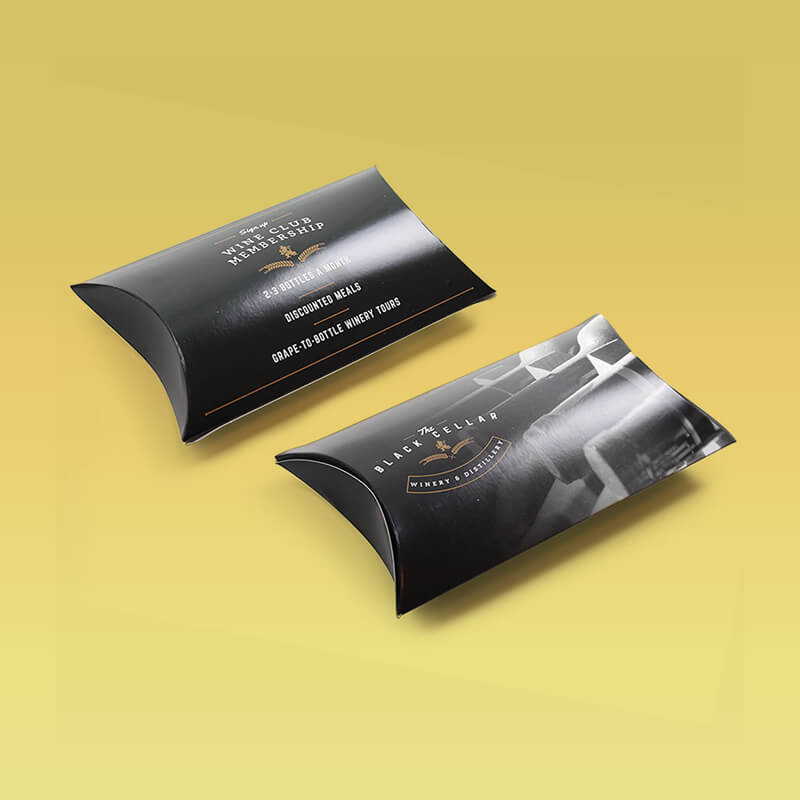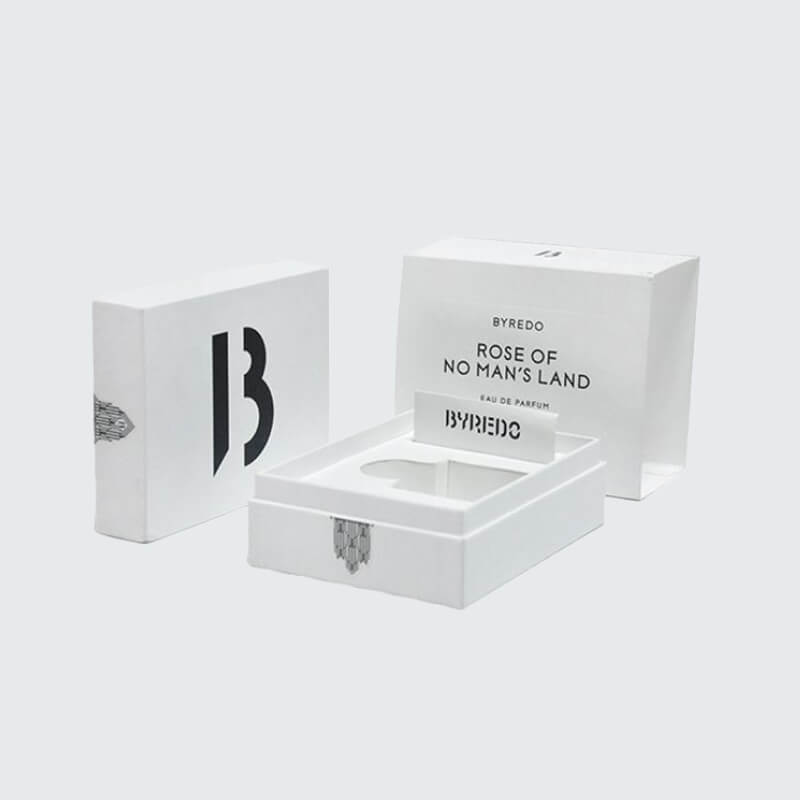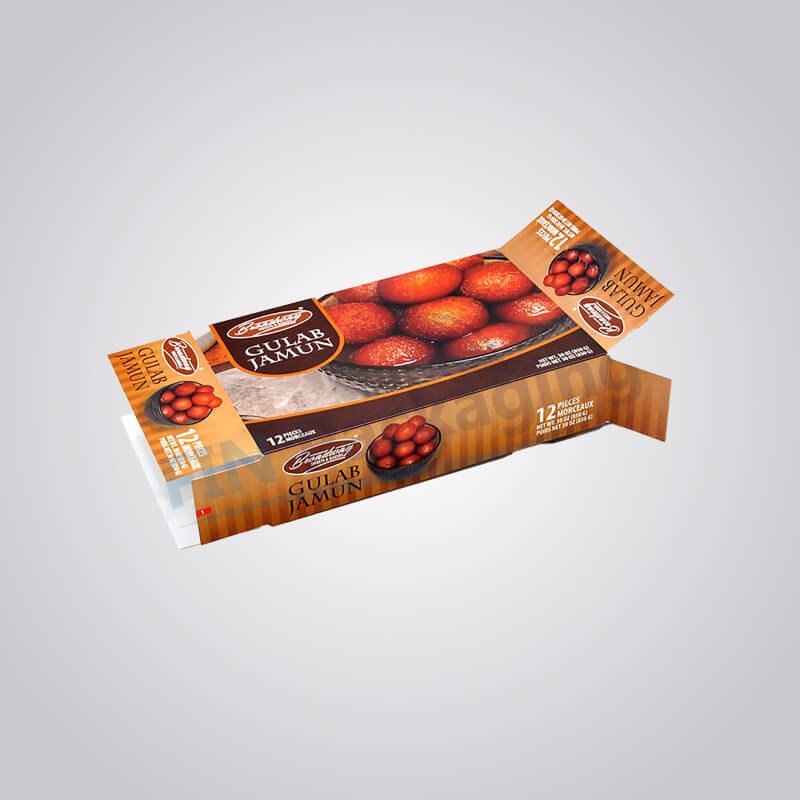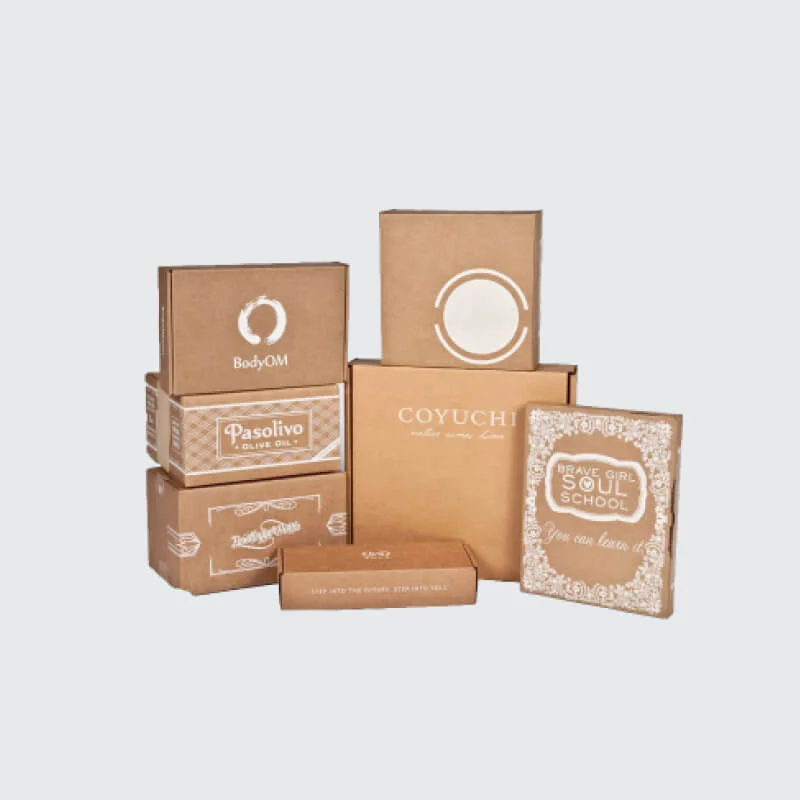


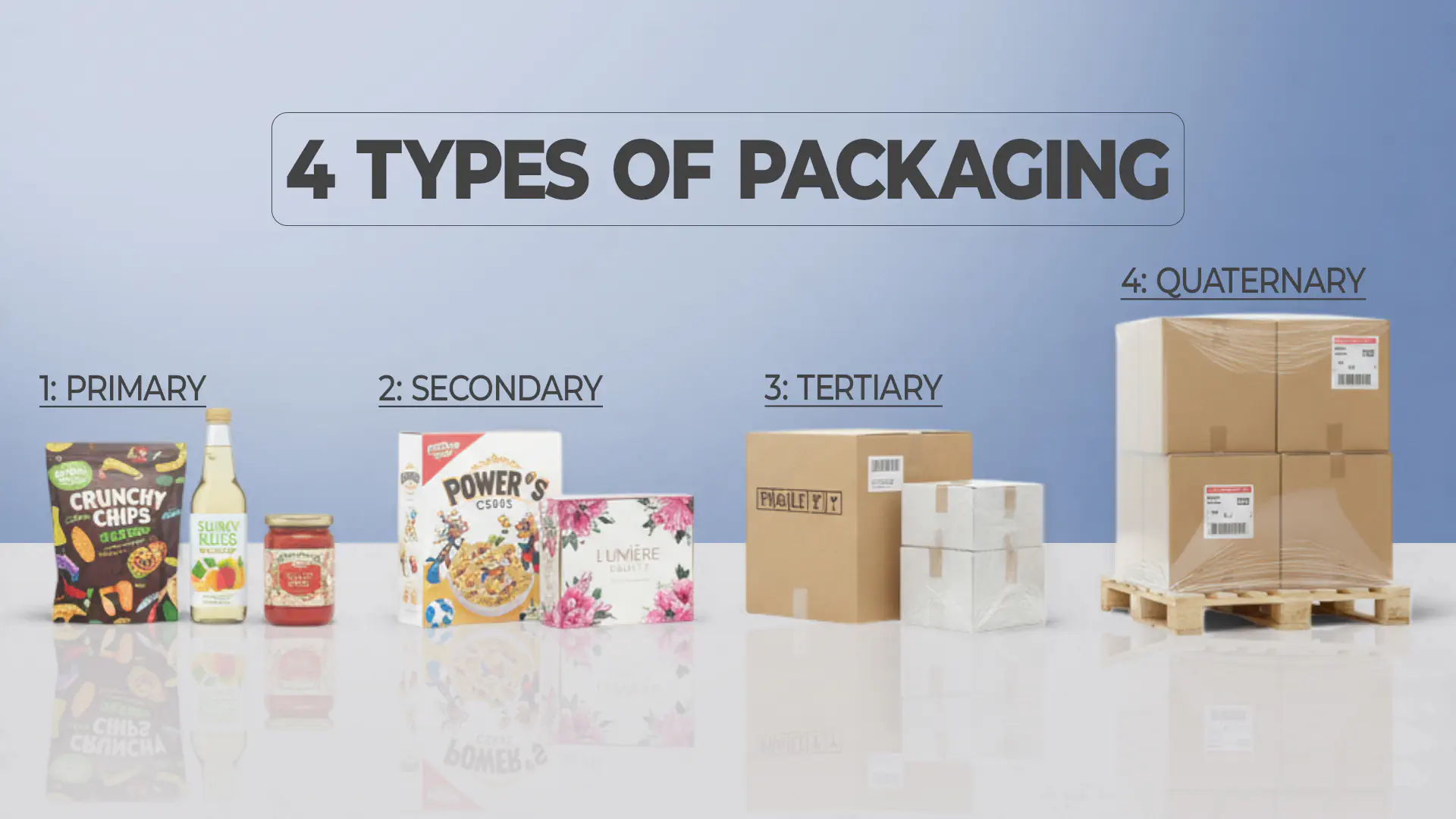
There are four main types of packaging: primary, secondary, tertiary, and quaternary packaging. The first three are widely discussed, but the fourth, quaternary packaging, is less common. However, it still exists and is used in large-scale logistics.
Packaging plays a major role in keeping products safe and presentable before they reach customers. It protects items from damage, contamination, or spoilage. Everything we see around us comes in some kind of packaging. Every industry depends on packaging that fits its specific needs. Whether it’s food, electronics, pharmaceuticals, or personal care items, choosing the right types of packaging is essential for maintaining product quality and ensuring customer satisfaction.
In this blog, we will discuss some of the most important types of packaging in the packaging and other industries.
What is the Meaning of Packaging in Every Industry?
Packaging is the outer covering around any product. It keeps the product safe from contamination or damage. Packaging not only ensures the physical protection of the product but also helps in communicating key information such as product details, instructions, safety warnings, and brand information. If you want a deeper explanation of what is packaging, you can check our detailed guide here.
In every industry, packaging serves a specific purpose. For example, in the food industry, packaging ensures freshness and protects products from contamination. In the pharmaceutical industry, packaging provides crucial information about the dosage and expiration date. Understanding the different types of packaging helps businesses select the most suitable one for their products, leading to better storage, handling, and customer experience.
The 4 Main Types of Packaging
- Primary Packaging
- Secondary Packaging
- Tertiary Packaging
- Quaternary Packaging
Primary Packaging for Ultimate Primary Purpose
Primary packaging is the first layer of packaging that directly touches the product. You can think of it as the product’s first line of defense. It’s the first wrapping you see when you want to eat or use something. Primary packaging ensures the product’s safety, maintains its integrity, and allows for easy consumption or use. It keeps the product clean, fresh, and protected from damage or outside elements such as air, moisture, and temperature changes. The main functions of primary packaging are:
- Protection
- Preservation
- Information
- Convenience
Examples of Primary Packaging in Industries:
- The Food & Beverage Industry includes bottles, jars, cans, sachets, pouches, and cartons used for milk, sauces, or juices.
- The Pharmaceutical Industry includes blister packs, glass vials, or plastic bottles for tablets and syrups.
- The Cosmetic Industry includes tubes, pump bottles, or jars for creams, lotions, and serums.
Secondary Packaging for More Protection
Secondary packaging is the outer layer that surrounds one or more primary packages. It provides extra protection during handling, storage, and transportation. It helps organize multiple products together for easier shipping and display. The main functions of secondary packaging are:
- Added Protection
- Branding & Presentation
- Convenience
Examples of Secondary Packaging as Boxes:
- Cartons are used for cereal boxes or cosmetic kits.
- Cases & crates are common in beverages and dairy products.
- Shrink-wrapped bundles are used for water bottles or soda cans.
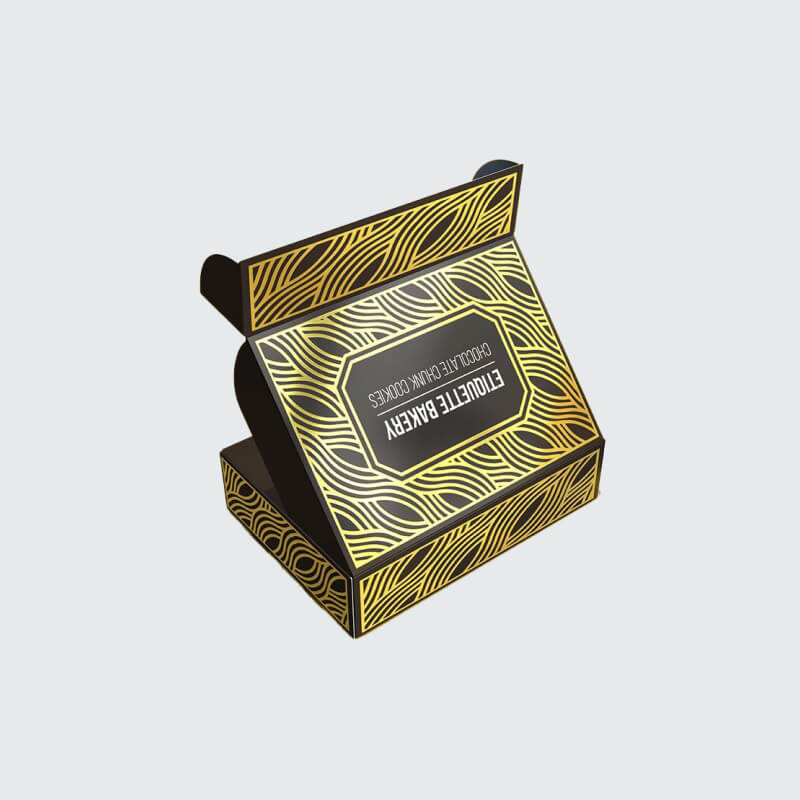
- Mailer boxes are used in e-commerce packaging for safe product delivery.
- Pallets & skids are used to stack multiple boxes for warehouse handling.
Secondary packaging also plays a big role in marketing. As it appears with eye-catching designs and printed graphics, it can attract customers and help brands stand out on retail shelves.
Tertiary Packaging for Safe Transportation
Tertiary packaging is the outermost layer that holds multiple secondary packages together. You’ll rarely see tertiary packaging at a retail store because it’s mostly used in logistics and warehousing.
It ensures that products can be moved in bulk without getting damaged during long-distance shipping. The main functions of tertiary packaging are:
- Protection During Transit
- Ease of Handling
- Efficient Storage
- Security
Examples of Tertiary Packaging For Shipment:
- Pallets are used for stacking boxes for shipment.
- Skids include flat platforms that hold goods together for easy movement.
- Wooden crates offer strong protection for heavy or fragile products.
- Shipping containers are used for transporting goods internationally.
For example, a beverage company might pack individual bottles (primary packaging) into cartons (secondary packaging) and then load those cartons onto pallets wrapped with stretch film (tertiary packaging).
Famous Industries That Depend on Tertiary Packaging
Many industries rely heavily on tertiary packaging for bulk transport, including:
- Amazon for e-commerce shipments.
- PepsiCo for drinks and snacks.
- Pfizer for medicines.
- Apple for electronics.
- General Motors for car parts.
- Boeing for aircraft components.
- Dow Chemical for chemical products.
Without tertiary packaging, large-scale supply chains would be inefficient and prone to product loss or damage. You can also make an informed decision by choosing the right packaging for your product.
Quaternary Packaging for Logistics
Quaternary packaging is the fourth and outermost level of packaging. It is mainly used in large-scale logistics and industrial shipping. It holds multiple tertiary packages together to simplify handling, storage, and transportation of bulk goods across long distances.
It is widely used, especially when using ships, trucks, trains, or planes. You can think of quaternary packaging as the stage that connects packaged products to global supply chains. It ensures that large quantities of goods can be transported between manufacturers, warehouses, and retailers.
Examples of Quaternary Packaging for Safe Storage
- Shipping containers include the steel containers used on ships, trucks, or trains.
- Large freight boxes are used for the bulk export of industrial materials.
- Modular crates and frames are designed for heavy machinery and large equipment.
- Cargo nets or wraps are used to secure goods during air or sea transport.
- Automated pallet units are grouped and tracked using barcodes or RFID for logistics efficiency.
Understanding Packaging Types Matters to Grow Your Brand
Everyone in the industry wants to increase sales. And sincere sales come from good products and the packaging itself as well. As a brand, knowing the difference between primary, secondary, and tertiary packaging, with quaternary packaging, helps businesses. You can make smart decisions about how to pack your products. When used effectively, these layers of packaging can:
- Reduce product damage and waste.
- Improve logistics and handling.
- Enhance brand visibility.
- Lower shipping costs.
- Build customer trust through a professional presentation.
By selecting the right types of packaging, businesses can ensure that their products reach customers in optimal condition. Additionally, packaging plays a critical role in creating a lasting impression on customers and enhancing brand loyalty.
Conclusion
Choosing the correct types of packaging for your products can make all the difference in terms of product quality, customer satisfaction, and logistical efficiency. By understanding the differences between primary, secondary, tertiary, and quaternary packaging, businesses can select the packaging that best suits their product needs. Whether you’re looking to reduce environmental impact, enhance brand visibility, or improve supply chain operations, effective packaging is an essential part of product success.