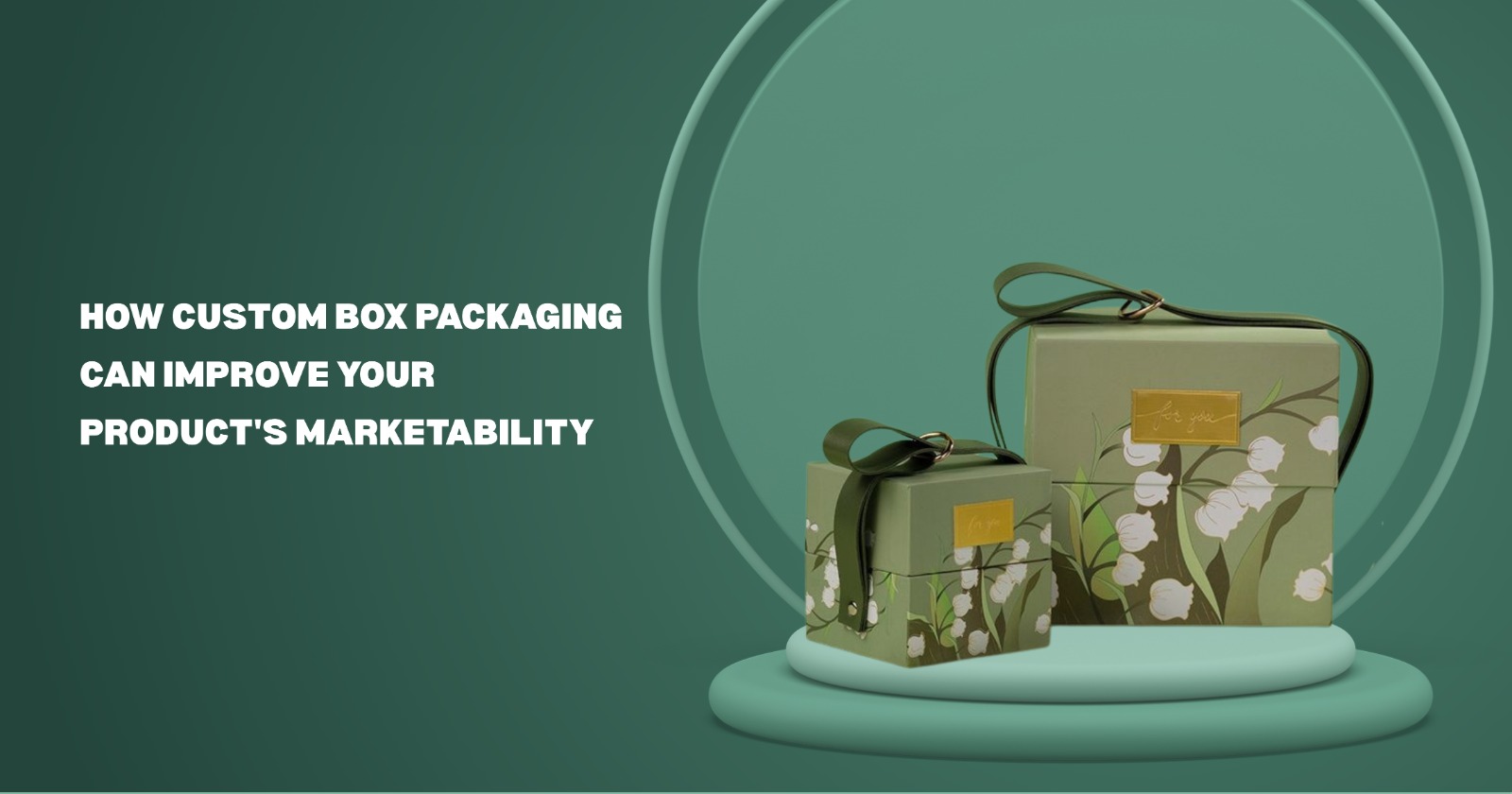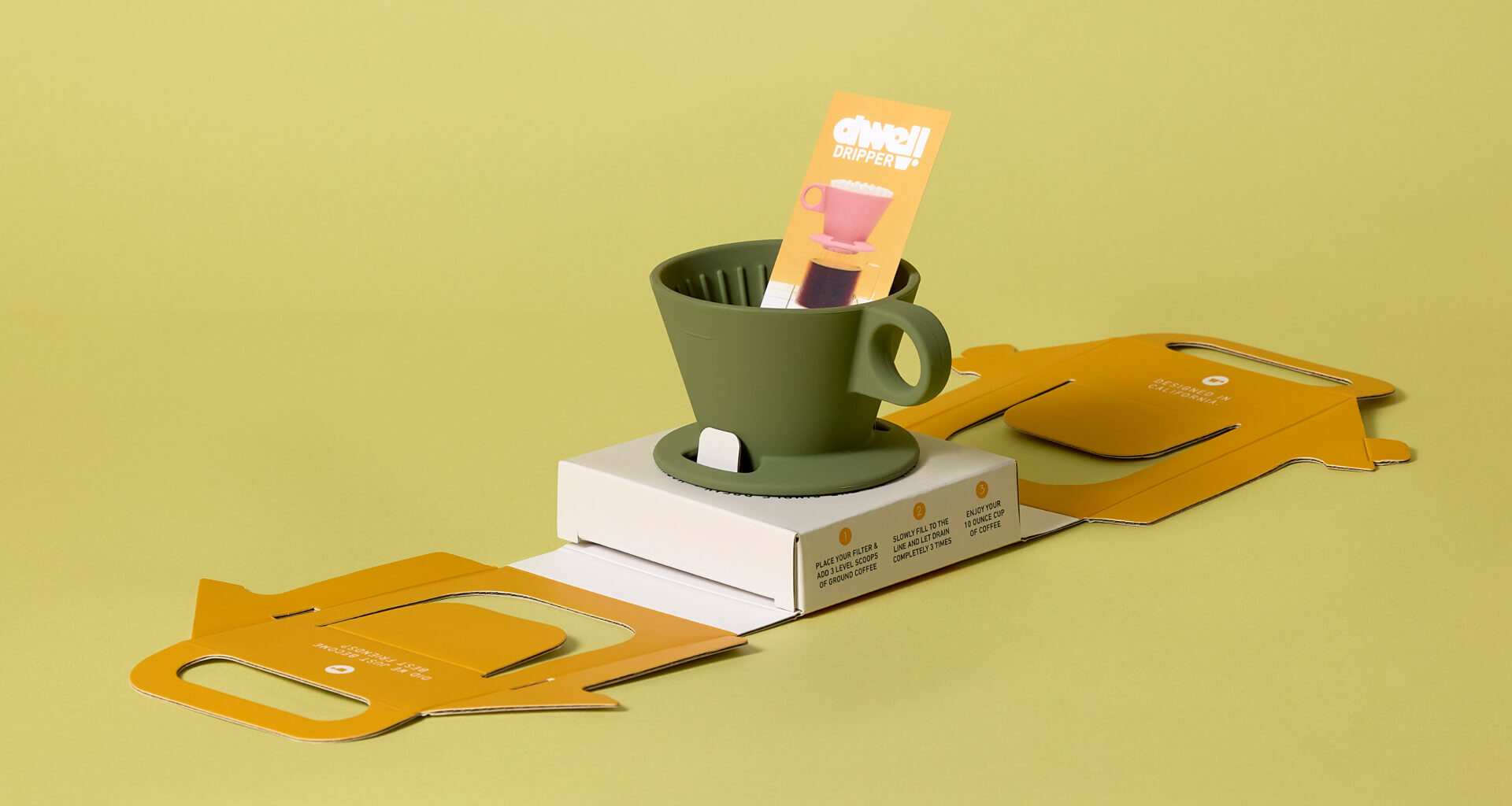


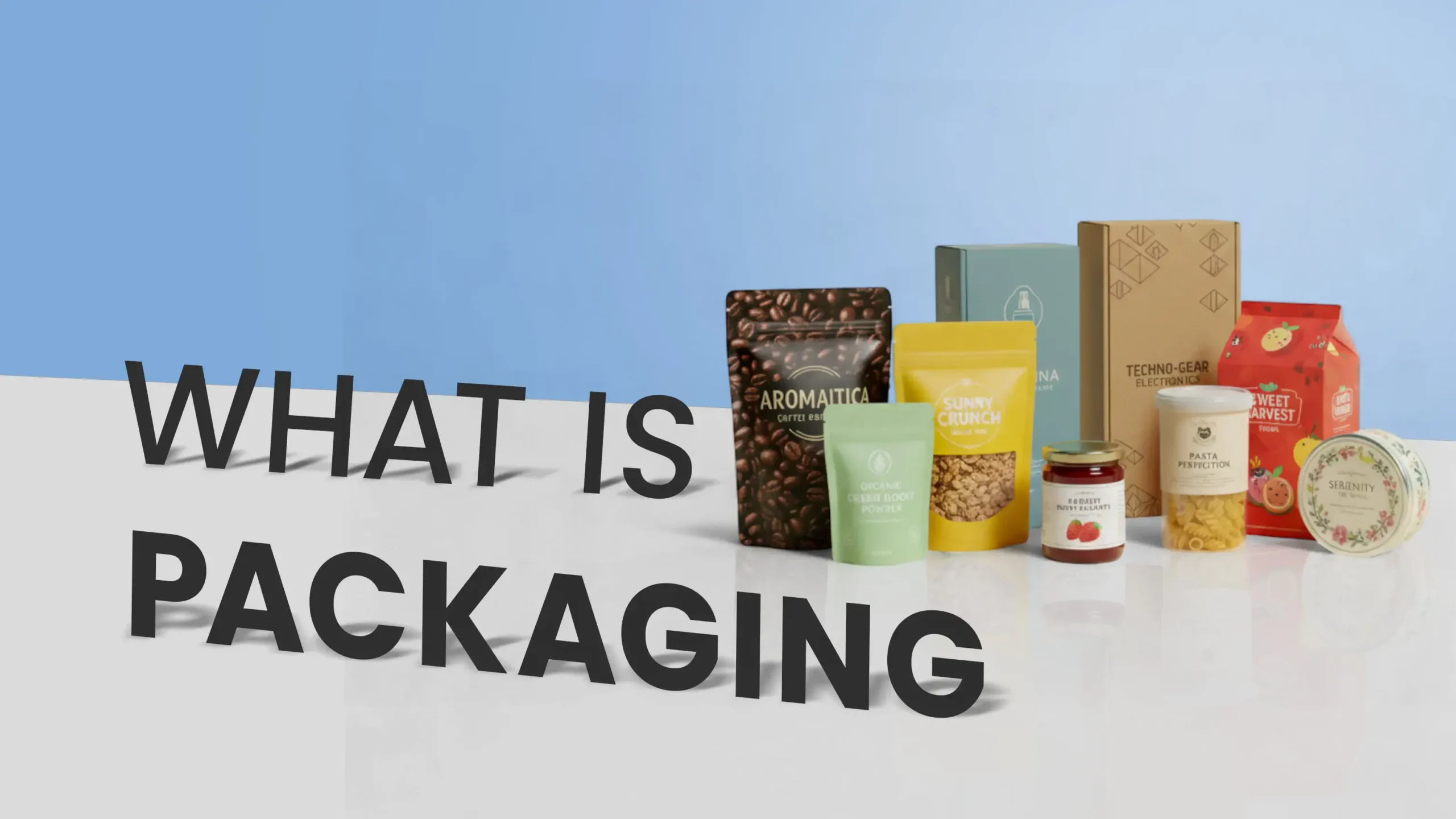
Packaging is the containment, protection, and presentation of products for transport, storage, and sale. It includes the wrapping, container, and labels that protect goods from damage and environmental hazards. Plus, it also acts as a marketing tool to attract customers and provide essential information like usage instructions.
An attractive package can easily create buzz and showcase the brand’s personality. About 95% of businesses use packaging for multiple business needs. In this blog, we will discuss some of the packaging types that are most commonly utilized in the packaging industry.
Definition of Product Packaging
Product Packaging is the process of wrapping, covering, or enclosing a product to protect it. It is also done to keep products inside clean and make them easier to handle. The function of product packaging is that it safeguards items during storage, transportation, and use, ensuring they reach customers undamaged.
Packaging also enhances the product’s appearance and provides key information such as the brand name, ingredients, or usage instructions.
Examples of Packaging are:
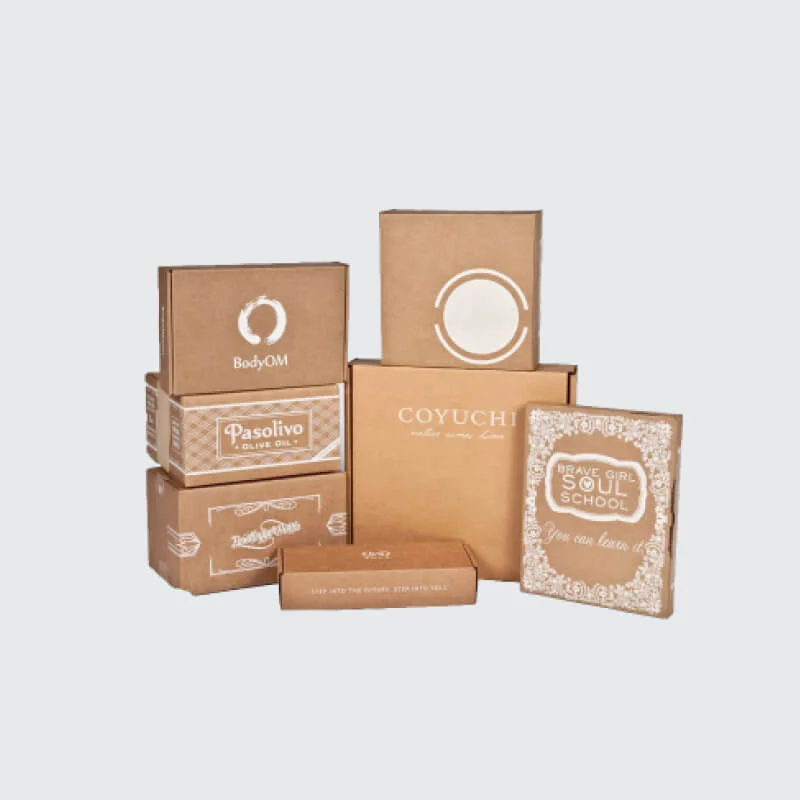
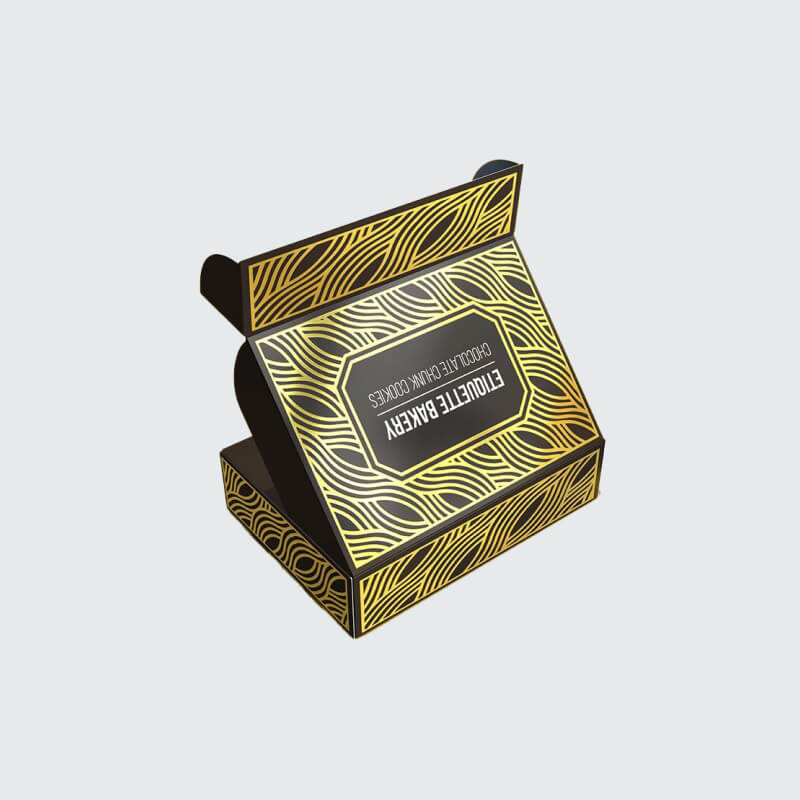
- Custom Boxes
- Custom Bags
- Bottles and More
Types of Packaging for Every Industry
Many people get confused about the different types of packaging, but there are four main categories. Such as:
- Primary Packaging
- Secondary Packaging
- Tertiary Packaging
- Quaternary Packaging
Primary Packaging
Primary packaging is the closest layer that directly encases the product itself. For instance, if there is bubble gum, then the white covering in which the gum is placed before the final wrapping is considered the primary packaging. Moreover, it sometimes acts as a single layer to avoid contamination.
Common examples include:
- Water bottle
- A toothpaste tube
- Candy wrapper
- Bubble gum in a transparent pack
Secondary Packaging
Secondary packaging, as the name suggests, is the second layer upon a product. It also acts as a platform for brand messaging and product promotion at the retail level.
Examples include:
- A cardboard box holding several toothpaste tubes
- A display carton containing multiple soda cans
- A box containing biscuit packs
- More
Tertiary Packaging
Tertiary packaging serves as the outermost protective layer. It focuses on logistics and bulk handling. Moreover, it has the function of safeguarding products during shipping to ensure they arrive intact despite rough handling or long distances.
The Examples are:
- Large corrugated cartons
- Wooden pallets
- Shrink-wrapped bundles designed for forklift transport
- More
Moreover, this packaging often incorporates labeling for inventory and tracking. This could help in supporting efficient warehouse management.
Quaternary Packaging
Quaternary packaging refers to large containers used globally in the supply chain for transporting goods over long distances. These are the combined boxes placed in the warehouses for shipping.
Although it is less commonly discussed or utilized compared to primary, secondary, or tertiary packaging. But it remains essential for bulk handling and shipping, especially in industries with extensive logistics operations.
Examples include:
- Large warehouse containers
If you want to understand all the major types of packaging in detail, you can read our complete guide here.
Types of Packaging Materials in the Packaging Industry
Packaging materials differ depending on the product’s requirements, cost factors, and eco-friendliness. Some common materials include:
Paper and Cardboard & Etc
Paper and cardboard materials are renewable, biodegradable, and recyclable. They are mostly used in the packaging of items such as:
- Food
- Cosmetics
- Pharmaceuticals
- More
| Advantage | It is eco-friendly and easy to recycle. |
| Disadvantage | It is considered non resistant to moisture or heavy loads. |
Glass Material for Sweet Jams & Etc
Glass is non-porous, impermeable, and fully recyclable. It is often chosen for packaging such as:
- Beverages
- Jams
- Certain cosmetic products
| Advantage | It simply preserves product quality and doesn’t react with contents. |
| Disadvantage | But the glass is fragile and heavy. So breakage can increase the shipping costs. |
Plastic Material for Containers & Etc
Plastic is the most commonly used packaging material due to its lightweight, flexibility, and ability to be shaped into different forms. It is frequently used for products such as:
- Food containers
- Drinks
- Household goods
| Advantage | It is durable and cost-effective. |
| Disadvantage | It is non-biodegradable and harmful to the environment. |
Metal Material for Cans & Etc
It is known for its strength and durability and is considered one of the most famous types of metal packaging. It often comes in aluminum, and it is recyclable. So it is primarily used for products such as:
- Food
- Beverages
- Industrial goods
| Advantage | Offers excellent protection and long shelf life. |
| Disadvantage | It can be expensive and prone to corrosion if not coated properly. |
Flexible Packaging (Pouches & Mylar Bags)
Flexible packaging is lightweight and adaptable. It simply offers various customization options. It is commonly used for products such as:
- Snacks
- Coffee
- Pet food and other food products
| Advantage | It is lightweight and reduces transportation costs. |
| Disadvantage | Difficult to recycle due to mixed material layers. |
How to Determine the Right Packaging for Your Brand Needs?
If you’ve just made up your mind to get new packaging, you can start by clearing a few key points.
- First, know what kind of packaging you want. Decide on the type and materials you’ll use so you can choose packaging that prevents leaks and keeps products clean.
- Think about your target customers and design the packaging to grab their attention.
- Make sure to choose strong and eco-friendly materials like glass or PET plastic.
- Use colors, logos, and images that reflect your brand’s style, and include clear product information to meet regulations.
- Also, ensure the packaging is easy to open, carry, and store for users.
Most importantly, always choose packaging from a trusted supplier with proper certifications.
Eco-Friendly Packaging Practices and Certifications
Modern consumers appreciate sustainability. Opting for recyclable glass, biodegradable paper, or reusable materials reduces environmental impact and positions your brand as eco-responsible. But if you are a brand looking to increase sales, there are some factors to consider.
Make sure to buy packaging with certifications such as FSC, FDA approval, and more. Moreover, look for manufacturers using only ISO-standardized packaging in their production process. Environmentally conscious packaging not only preserves the planet but also builds credibility and trust among customers.
Final Words to Conclude
Packaging is an integral part of providing adequate protection for products. No matter what industry you are in, you can choose packaging of any type and material. So, if you are looking for a trusted partner, Elixir Packaging is your ultimate solution, providing fully customizable elixir packaging tailored to your brand. Connect with us to get started today.